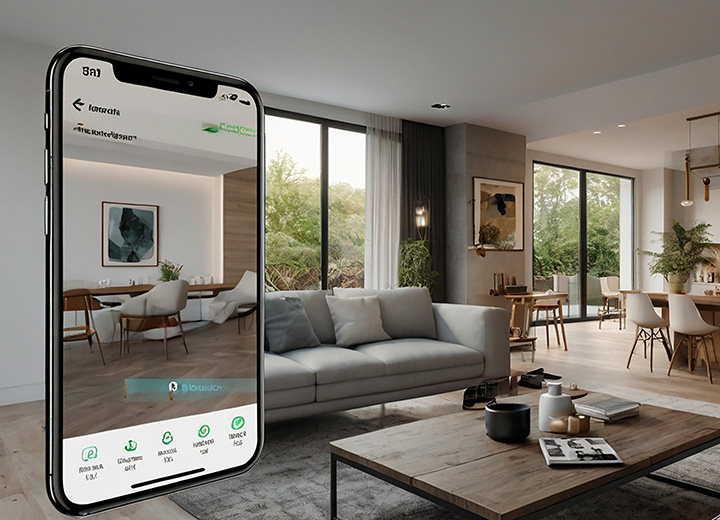

Augmented Reality (AR) is a technology that overlays digital content—such as images, sounds, or other data—onto the real world in real time, enhancing what we see, hear, and experience.
AR uses devices like smartphones, tablets, smart glasses, or AR headsets to add computer-generated elements to the physical environment.
It combines:
Cameras and sensors to capture the real world.
Processors to interpret the input and add virtual content.
Displays (like screens or lenses) to show the augmented environment.
Common Uses of AR


Gaming and Entertainment
Example: Pokémon GO, where players see Pokémon characters overlaid on real-world locations. AR filters on platforms like Instagram or Snapchat add effects to faces or environments.

Retail and E-Commerce
Try-before-you-buy: Apps let customers preview furniture in their homes (e.g., IKEA Place) or try on clothes, makeup, or glasses virtually.

Education and Training
Interactive learning: AR apps help students visualize concepts, like anatomy or space exploration. Training simulations for surgeons, mechanics, or military personnel, offering hands-on practice without real-world risks.

Navigation
Apps like Google Maps use AR to show directions and landmarks over the live view of your phone's camera.

Healthcare
Surgeons use AR to overlay critical patient data during operations. AR can assist in physical therapy or visualize medical scans in 3D.

Industrial and Construction
AR helps workers visualize plans, conduct remote inspections, or identify equipment issues in real time.